Topkapı Palace is not a single building. It is a vast complex of courtyards, council rooms, pavilions, kitchens, treasuries and private spaces overlooking the Bosphorus and Golden Horn.
Its layout reflects the structure of Ottoman government and court life. Moving inward through the palace meant moving closer to imperial authority, which is why understanding the courtyards is essential to understanding the site.
From conquest to imperial residence
Construction began under Sultan Mehmed II after the conquest of Constantinople. The palace developed over generations as later sultans added buildings and adapted the complex to the changing needs of the dynasty and state.
The four courtyards
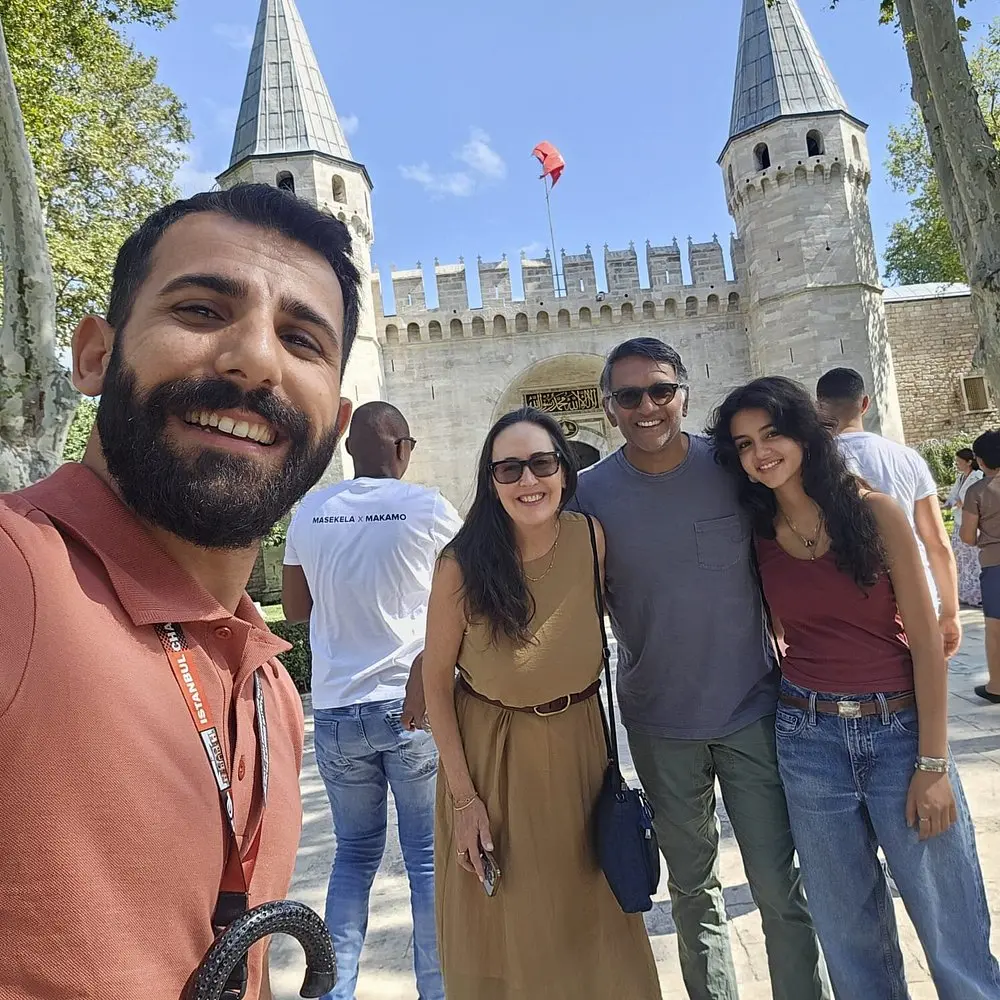
Each courtyard had a different level of access and purpose. The outer areas connected with service and ceremony; deeper spaces held the Imperial Council, treasury, audience chambers and private pavilions. A guide explains how architecture controlled movement, hierarchy and visibility.
The Imperial Council and administration
The palace was not only a royal residence. It was also a center of government, education and ceremony. The Imperial Council chamber, tower and surrounding buildings reveal how decisions were made and how the sultan's presence shaped political life.
The Harem
The Harem was the private residential world of the dynasty, not simply the place described by popular myths. It contained apartments, courtyards, schools and carefully regulated spaces for the imperial family and household. Access and tickets may be separate depending on current official arrangements.
Collections and sacred objects
Topkapı's displays may include imperial weapons, manuscripts, textiles, jewelry, porcelain and sacred relics. Exhibitions can rotate or close temporarily, so no responsible itinerary should guarantee every gallery without checking current conditions.
Tickets, closures and entry
The palace is ticketed and official schedules, weekly closure days and section access can change. Admission is separate unless included in the written confirmation. Licensed guides may assist with ticket procedures where available, but security checks remain compulsory.
What should you combine with Topkapı Palace?
The Hippodrome, Blue Mosque and Hagia Sophia are nearby, but adding all of them plus the palace to a short half-day can feel rushed. For a deeper visit, choose Topkapı as the central experience and add only the monuments that fit your pace.
Who will enjoy the palace most?
- Travelers interested in Ottoman history and political life
- Architecture, decorative arts and museum enthusiasts
- Families with older children who enjoy stories of court life
- Visitors with a full day or a focused palace half-day
Understand the empire through the palace.
Plan a private Topkapı experience with enough time for its courtyards, stories and collections.
View the private Topkapı Palace tour →