Hagia Sophia is not important because it belongs to only one period. Its power comes from the way Byzantine engineering, Christian sacred art, Ottoman architecture and modern Turkish history remain visible within the same monument.
Visitors often arrive knowing the name but not the story. A private guide helps connect what you see—the dome, galleries, mosaics, calligraphy and structural changes—with the people and decisions that shaped the building.
Justinian's sixth-century masterpiece
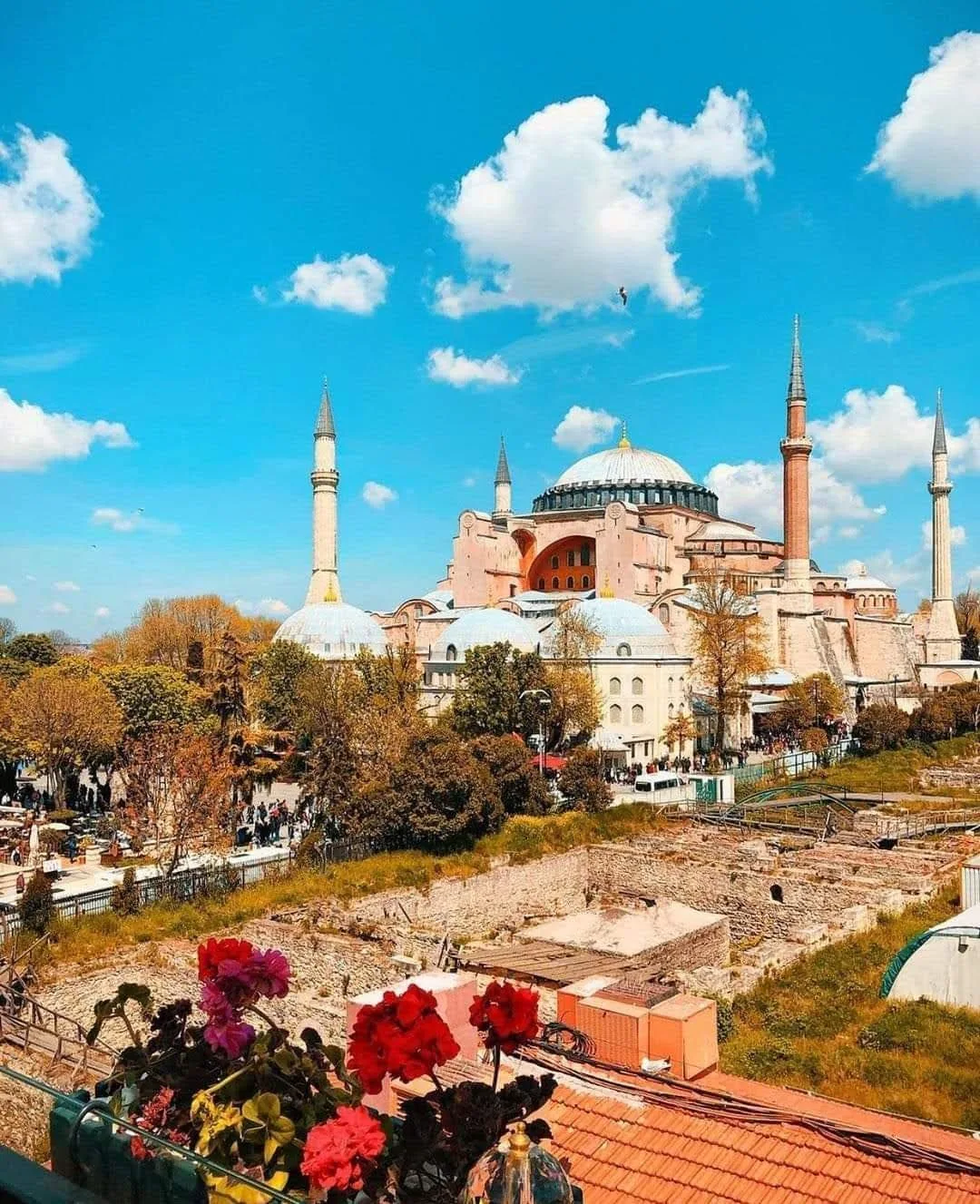
The present Hagia Sophia was commissioned by Emperor Justinian and dedicated in 537. Its enormous central dome and innovative system of supports created an interior that seemed to suspend architecture in light. For centuries it served as the principal church of Constantinople.
From imperial church to Ottoman mosque
After the Ottoman conquest of Constantinople in 1453, Hagia Sophia became a mosque. Minarets, calligraphy, a mihrab and other Islamic elements were added over time. Ottoman architects also strengthened and preserved the structure, allowing it to survive earthquakes and centuries of use.
Why the interior needs explanation
Many of the most meaningful details are easy to overlook. The building's axis, dome construction, surviving mosaics and later Ottoman additions tell different parts of the same story. A guide can explain why some features do not align and how the building changed without erasing every earlier layer.
Dress, security and respectful visiting
- Shoulders and knees should be covered.
- Women should carry a scarf for mosque entry.
- Mandatory security checks cannot be skipped.
- Quiet, respectful behavior is required in worship areas.
- Photography and visitor routes follow current official rules.
Can a guide skip the line?
A licensed guide may assist with official ticket procedures where available, but nobody can bypass security controls, prayer closures or official access restrictions. We prefer to explain the realistic process rather than promise unrestricted priority entry.
What should you combine with Hagia Sophia?
The Blue Mosque and Hippodrome form the strongest short introduction because they are nearby and connect Byzantine and Ottoman history. With more time, Basilica Cistern or Topkapı Palace can be added, subject to opening conditions and your walking pace.
How long should you allow?
The visit length varies with access, queues and your interest in history. Hagia Sophia can be part of a focused half-day route or explored within a full Old City day. Trying to add every major monument to a short schedule usually creates a rushed experience.
See the monument—and understand its layers.
Share your date, hotel, group size and available time. We will suggest the most realistic private Sultanahmet route.
View the private Old City half-day tour →